
SERVICE · 04 of 06
Floor Refinishing
Strip-and-wax, burnishing, scrub-and-recoat, tile and grout restoration, and concrete polishing. We bring tired floors back to a like-new finish on a maintenance schedule that protects your investment.
OVERVIEW
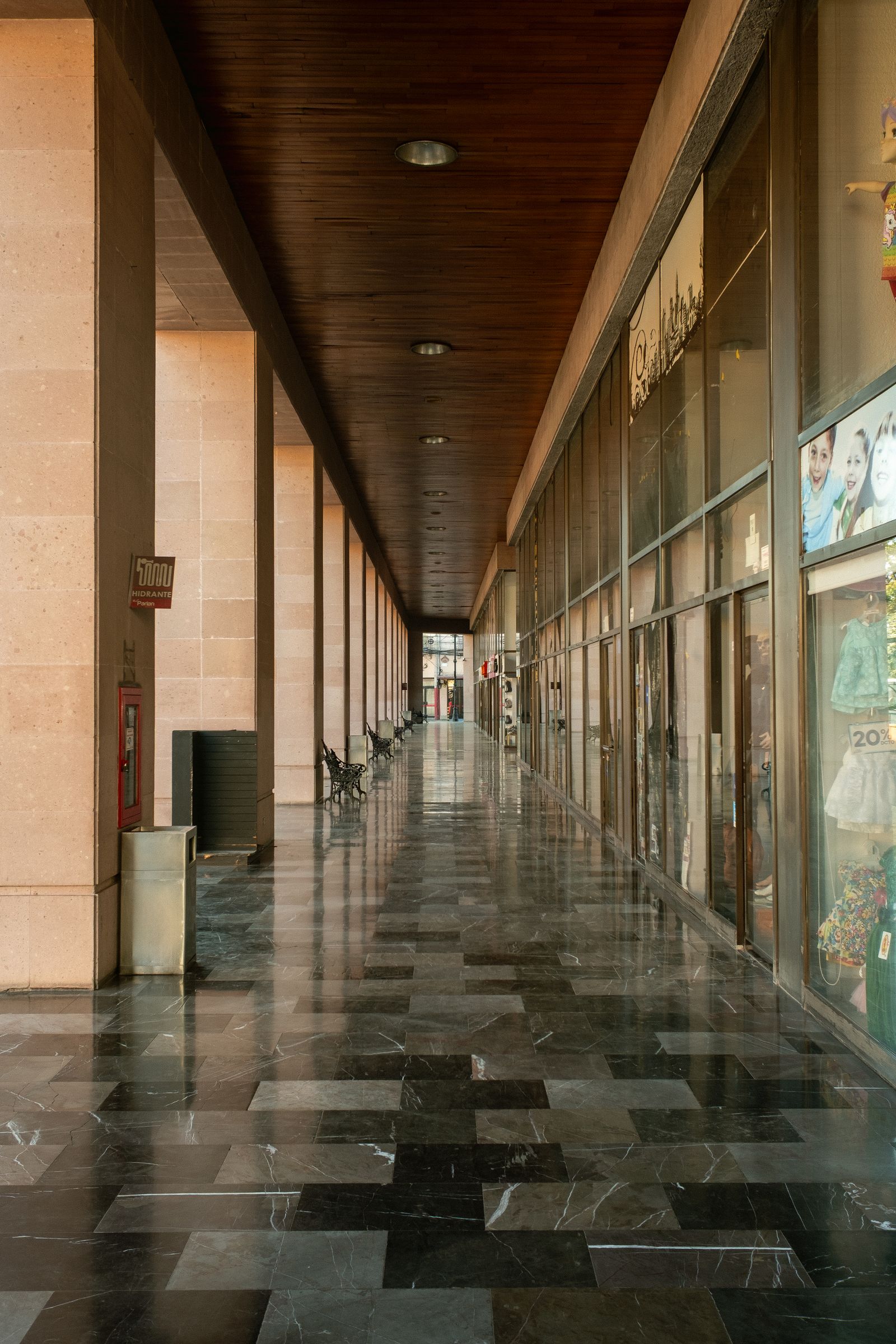
Hard floors are the fastest read on whether a building is being maintained or just being cleaned. A polished entry says "someone's paying attention." A scuffed, dull, scraped-up floor says the opposite — and it says it to every visitor before they ever talk to anyone.
The trick with commercial floor care is that the work has its own clock. You can't strip-and-wax during business hours. You can't burnish a floor that's still curing. You can't restore tile and grout without scheduling around the rest of the building. Most facility managers either skip floor care entirely or pay for an annual emergency intervention that costs three times what scheduled maintenance would have.
We build floor care into the recurring scope. Quarterly or monthly burnishing, annual or biannual strip-and-wax depending on traffic, tile and grout restoration on a 1–2 year cycle. Scheduled around your operating clock, never improvised.
WHAT'S INCLUDED
Scoped to your building, not a template.
Every account is walked, measured, and scoped before pricing. The list below is the standard inclusions — the actual scope is built to your facility's materials, traffic, and compliance posture.
- Strip-and-wax for VCT and resilient floors
- Burnishing and scrub-and-recoat cycles
- Tile and grout restoration
- Concrete polishing
- Annual maintenance program
- Floor care plan written into scope
MATERIALS & APPROACH
High-solids finish, high-speed equipment, the right chemistry per surface.
Resilient floors (VCT, LVT) get high-solids commercial finish — typically four to five coats over a properly stripped surface. Burnishing equipment is high-speed (1500+ RPM) for a true gloss restoration, not a buff-and-pray. The result is a floor that holds its finish, not one that looks great for two weeks then falls off.
Tile and grout: pH-neutral chemistry on natural stone, alkaline-acid pairs on ceramic. Color-sealing available on request. Concrete: densifier and polish in 3–7 grit progressions depending on existing condition. Different surfaces get different chemistry — that's not optional.
VCT/LVT
Strip-and-wax: 4–5 coat high-solids finish. Annual or biannual cycle.
Burnishing
1500+ RPM commercial equipment. Monthly or quarterly cadence.
Tile + grout
Restoration, deep-clean, color-seal. 1–2 year cycle.
Concrete
Densifier + polish, 3–7 grit progressions. 2–3 year cycle.
HOW IT GOES
From walkthrough to first clean — what to expect.
Walkthrough
We come on site, take measurements, photograph areas of concern, and ask the questions that shape a real scope — access, materials, traffic, compliance posture.
Written scope
Inside 48 hours you get a written scope and a fixed monthly quote. No hourly billing, no auto-rate creep, no per-incident surprises.
Crew assigned
Your account is paired with a dedicated site supervisor and a crew sized to your building. Same people, same standards, for the life of the contract.
First clean + handoff
We run the first clean alongside your point of contact, walk the building together, sign off on the checklist, and you're on schedule from there.
WHAT WE DON'T DO
Scope honesty, up front.
A vendor that says yes to everything is the vendor that quietly fails at the things they shouldn't have agreed to. Here's what falls outside this scope — and how we handle it.
Hardwood refinishing
Sanding and re-coating hardwood needs a wood-floor specialist — different equipment, different chemistry, different mess containment. We sub it and oversee the visit.
Carpeted areas
Carpet is a separate scope. We'll coordinate a combined visit if your building has both, but the equipment and crews are different.
Subfloor repair
If we find moisture damage, settling, or subfloor failure during a strip-and-wax, we'll flag it and stop. The repair is a contractor's scope — we don't lay floors.
Epoxy and specialty coatings
Garage floors, industrial epoxies, and specialty coatings need a coating contractor with the right certification. Outside our scope.
“RMS took over a 32,000 sqft medical complex from a national vendor that was failing us. Within two weeks the building looked completely different. Their site supervisor walks the property with me every month — that level of accountability is rare.”
Robert M.
Property Manager
QUESTIONS WE GET
About floor refinishing.
Don't see your question? Call directly — we'll answer it on the spot.
Call (315) 263-9275How disruptive is a strip-and-wax?
We schedule strip-and-wax cycles for weekends or extended off-hours. The floor is unavailable during the work and for 6–12 hours after for cure time. We coordinate with your operations team so the building is open and looking like new on Monday.
How often do floors need refinishing?
Resilient floors (VCT, LVT) typically need a strip-and-wax every 12–18 months with quarterly burnishing in between. Tile and grout need restoration every 1–2 years. Concrete floors need re-polishing every 2–3 years depending on traffic. We build a maintenance schedule that protects your investment.
Do you handle tile and grout restoration?
Yes — restroom and entry tile, grout deep-cleaning, color-sealing, and re-grouting are standard. We can also handle natural stone (marble, granite, terrazzo) restoration on request.
What's the difference between burnishing and a strip-and-wax?
Burnishing is a high-speed buff that restores shine to existing wax — fast, low-cost, and done overnight. A strip-and-wax removes old wax buildup down to bare floor and rebuilds the finish from scratch. Most floors need burnishing monthly or quarterly and a full strip-and-wax annually.